
Description
Citrine Gemstone; The Warm Golden Beauty of Quartz
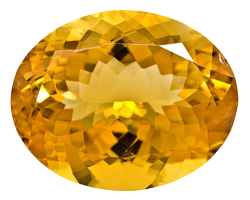
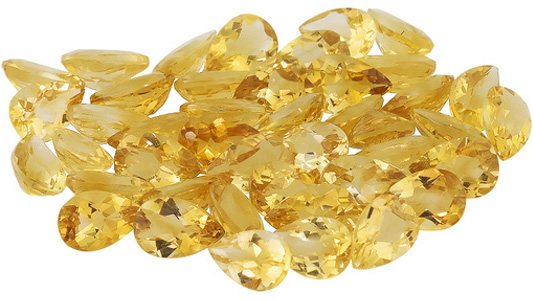
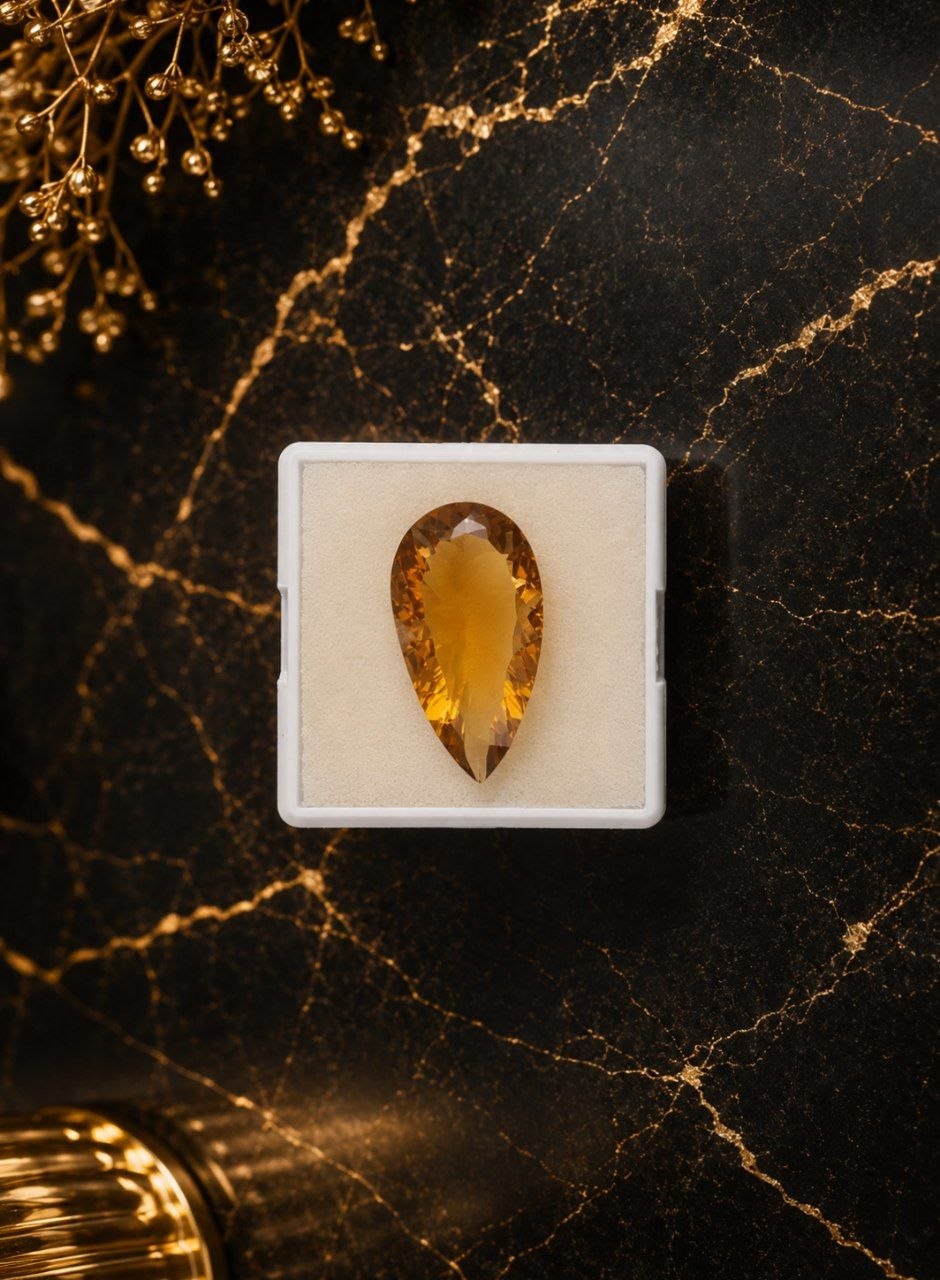
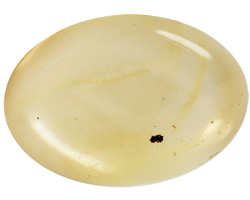
Citrine is a yellow variety of Quartz, highly appreciated in jewelry for its warm golden color and attractive brilliance. The name Citrine is derived from the French word associated with lemon, referring to its characteristic yellow color.
The color of Citrine is mainly associated with the presence of iron and ranges from pale yellow and lemon yellow to golden, orange, and brownish-golden tones. Natural Citrine is relatively rare, and a significant amount of Citrine available on the market is produced by heat-treating Amethyst or Smoky Quartz.
Natural Citrine and Heat Treatment
Certain varieties of Amethyst and Smoky Quartz can be heated to produce yellowish-orange, golden, or brownish-golden colors. Therefore, whether a Citrine is natural or heat-treated is an important consideration when evaluating its quality and value.
In natural Citrine, the characteristics and shape of inclusions, as well as pleochroism, may provide useful clues during identification. Determining whether a specimen is natural or heat-treated may require professional gemological examination.
Gemstones Similar to Citrine
Several yellow gemstones can resemble Citrine, including Yellow Topaz, Yellow Beryl, Orthoclase, and Yellow Tourmaline.
Topaz is harder and denser than Citrine and can have a very similar appearance. For this reason, distinguishing between the two can be important when evaluating similar-looking gemstones.
Major Sources of Citrine
Citrine is found in several countries, including Brazil, Spain, Madagascar, Argentina, and the United States. Brazil is one of the world’s most important and well-known sources of Citrine.
Citrine Characteristics
- Mineral family: Quartz
- Color: Yellow, golden, orange, and brownish-golden
- Coloring element: Iron
- Major sources: Brazil, Spain, Madagascar, Argentina, and the United States
- Jewelry use: Rings, necklaces, earrings, and other jewelry
Related Names: Citrine, Yellow Quartz
Reviews
There are no reviews yet.