
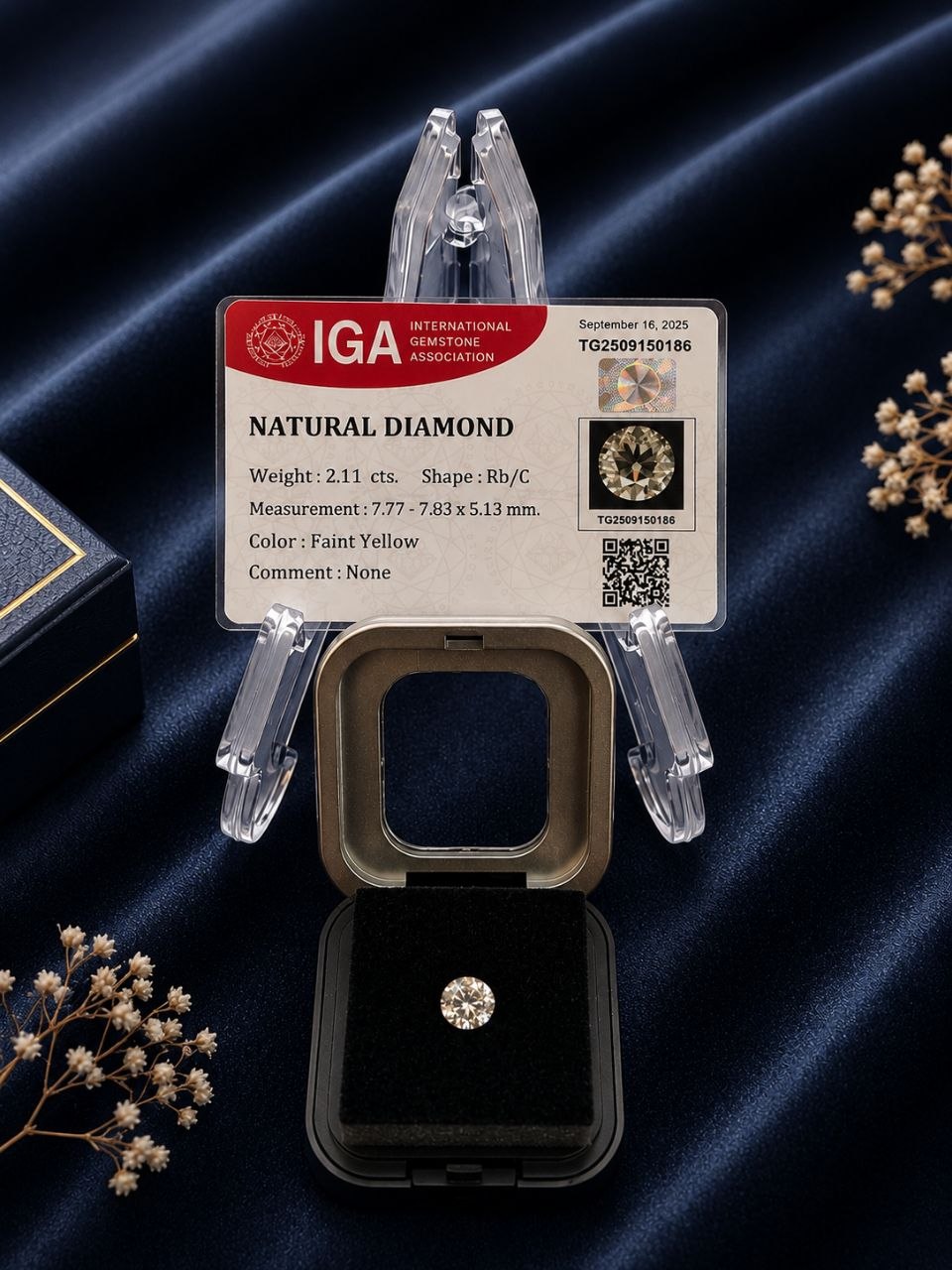
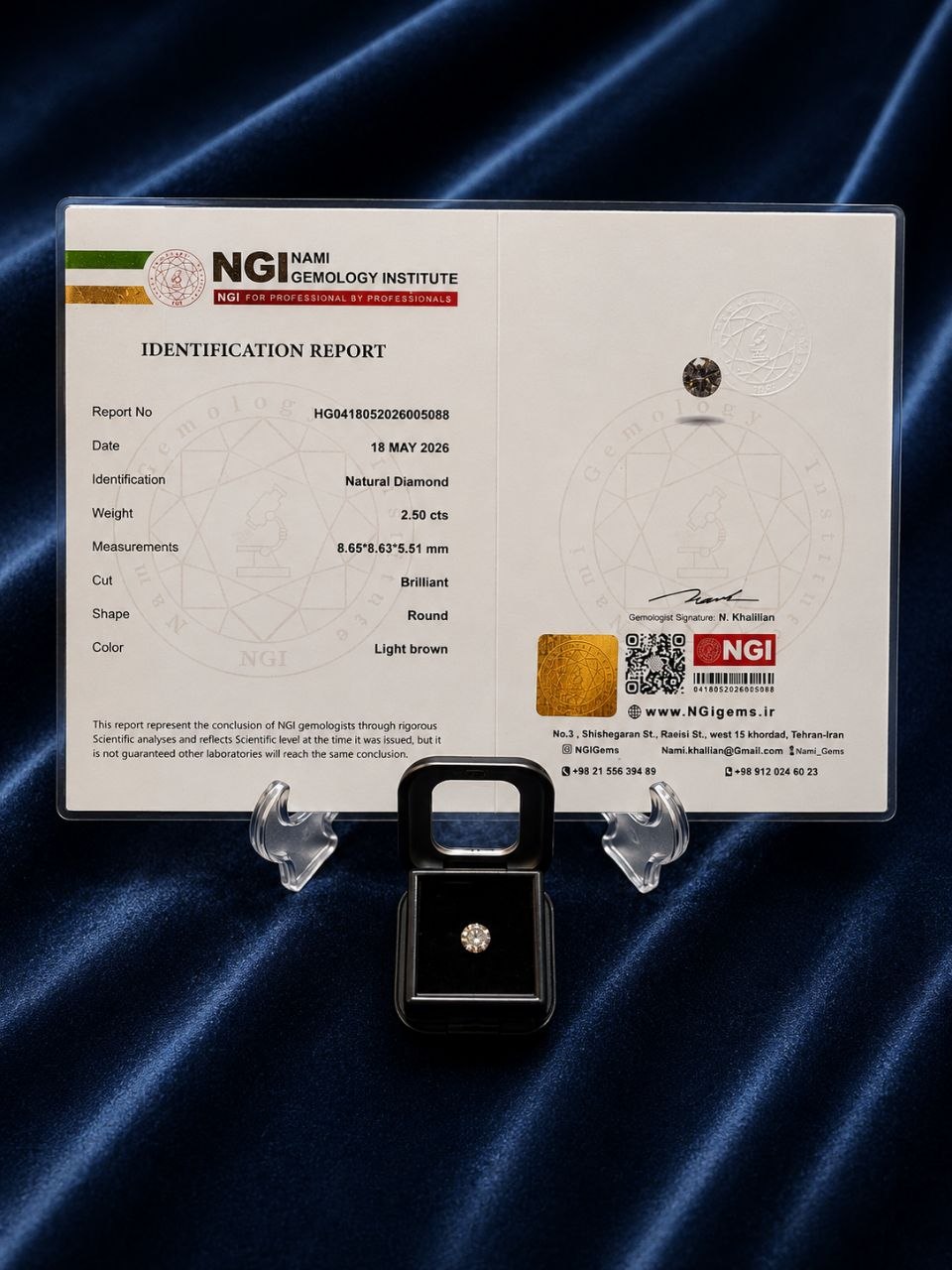
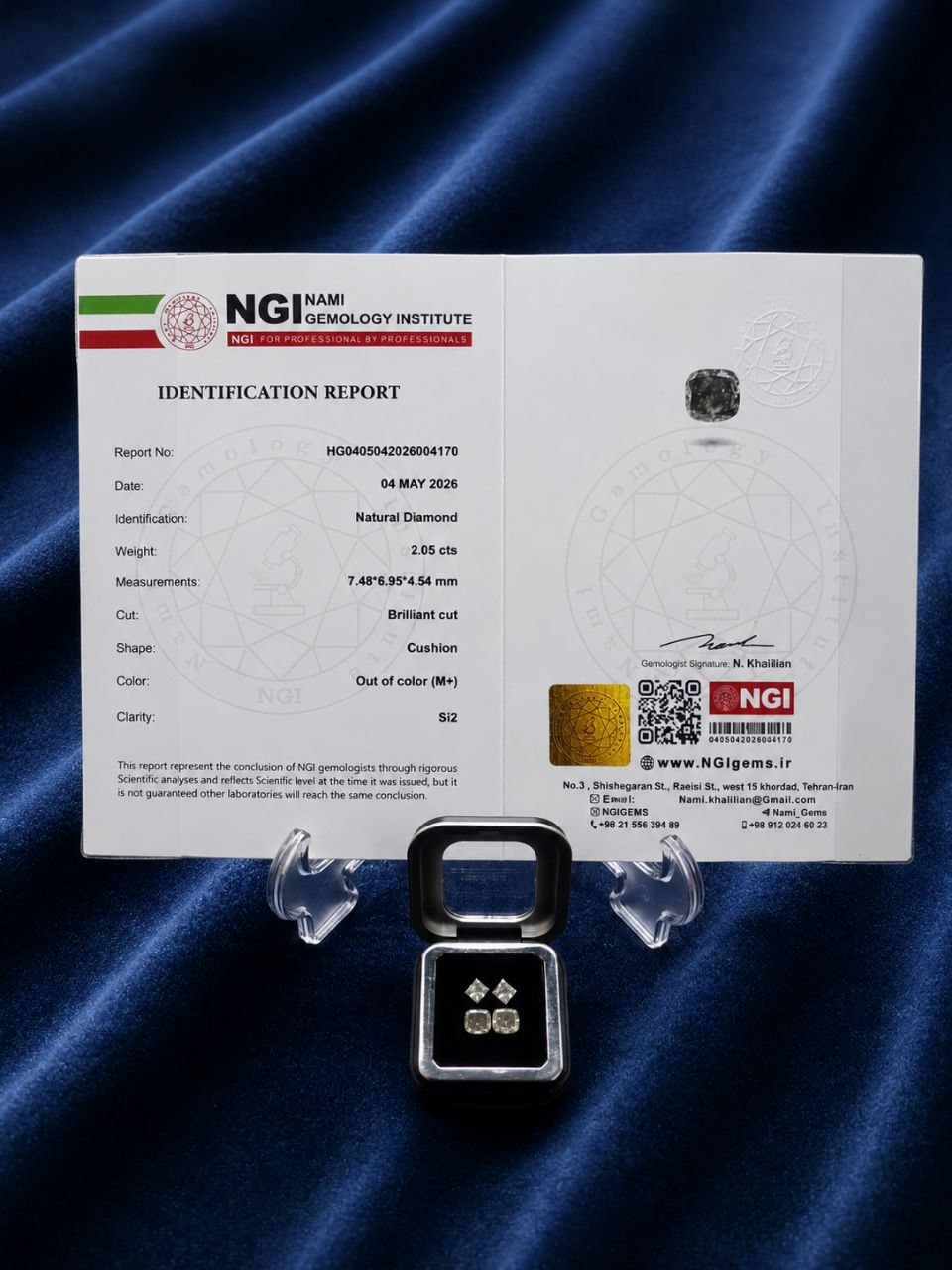
Description
Diamond; A Precious and Timeless Gemstone
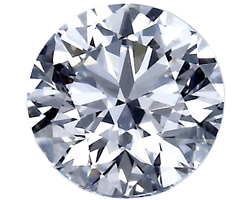
Diamond is one of the most famous and valuable gemstones in the world,
renowned for its exceptional hardness, brilliant optical properties, durability,
rarity, and timeless beauty. Diamond is composed of carbon and has a hardness of
10 on the Mohs scale, making it the hardest naturally occurring mineral.
Diamond Color and Varieties
Most diamonds used in jewelry are colorless or have subtle yellow or brown undertones.
Diamonds with noticeable and saturated colors are known as
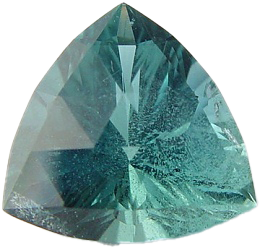
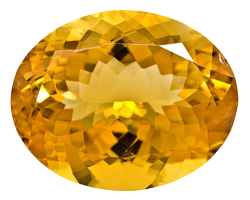
Fancy Color Diamonds. They can occur in yellow, brown, pink, red,
blue, green, and purple hues. Natural diamonds with rare and intense colors can be
particularly valuable.
The 4Cs of Diamond Quality
Diamond quality and value are commonly evaluated using the internationally recognized
4Cs: Color, Cut, Clarity, and Carat Weight.
- Color: Colorless diamonds are commonly graded from D to Z, with D representing the highest degree of colorlessness.
- Cut: Cut quality, proportions, symmetry, and polish strongly influence a diamond’s brilliance and light performance.
- Clarity: Clarity refers to the presence, size, number, and visibility of internal inclusions and surface blemishes.
- Carat Weight: Diamond weight is measured in carats. One carat equals 0.2 grams and is divided into 100 points.
Hardness and Durability
Diamond’s exceptional hardness provides excellent resistance to scratching, making it
highly suitable for everyday jewelry. However, hardness does not mean that diamond is
immune to damage; strong impacts can still cause chipping or fracture under certain
conditions.
Natural and Lab-Grown Diamonds
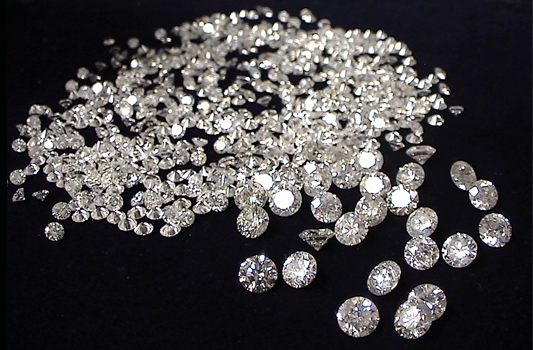
Diamonds available in the market may be natural or laboratory-grown.
Lab-grown diamonds are genuine diamonds with essentially the same
chemical composition and crystal structure as natural diamonds, but they are produced
using advanced technological processes in controlled environments.
Diamond Grading Reports
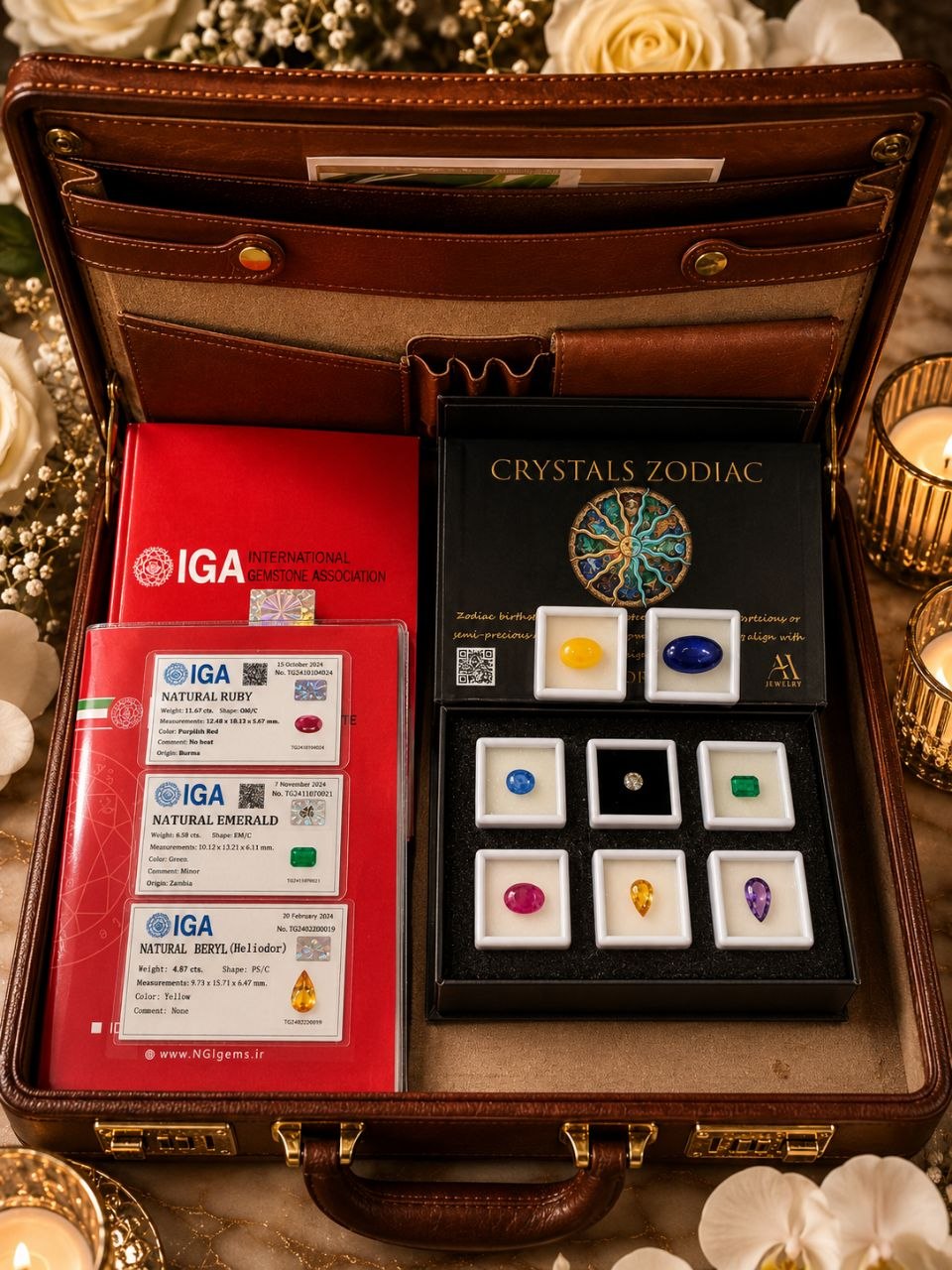
A reputable gemological report can provide important information about a diamond’s
color, clarity, cut, carat weight, and other characteristics. Organizations such as
GIA are widely recognized for diamond grading and gemological reports.
Fancy Color Diamonds
Fancy Color Diamonds are characterized by noticeable body colors such as yellow,
pink, blue, green, red, or brown. Some natural colors, particularly intense red and
pink, are extremely rare and can command exceptional prices.
Diamond Jewelry
Diamonds are widely used in diamond rings, necklaces, earrings, bracelets,
and fine jewelry. Their exceptional hardness and brilliance make them one of
the most popular gemstones for both classic and contemporary jewelry designs.
Diamond Care
Diamond jewelry can generally be cleaned using lukewarm water, mild soap, and a soft
brush. Although diamond is highly resistant to scratching, storing diamond jewelry
separately from other gemstones is recommended to prevent scratches and damage to
surrounding materials.
Major Diamond Sources
Natural diamonds are mined in several regions around the world. Major diamond-producing
countries include Russia, Botswana, Canada, South Africa, Angola, Namibia, and Australia.
Birthstone
Diamond is traditionally recognized as the April birthstone and is
widely associated with strength, durability, enduring beauty, and lasting value.
Reviews
There are no reviews yet.