
Description
Lapis Lazuli
The name Lapis Lazuli is derived from two words: “Lapis,” meaning “stone,” and “Lazuli,” referring to its characteristic blue color.
Lapis Lazuli is one of the oldest ornamental stones in human history and has been used as a gemstone and decorative material for approximately 7,000 years.
Unlike a single mineral gemstone, Lapis Lazuli is a rock composed of several minerals, primarily including Lazurite, Calcite, and Pyrite, along with minerals such as Sodalite, Mica, Hauyne, Diopside, and Augite.
Color and Appearance
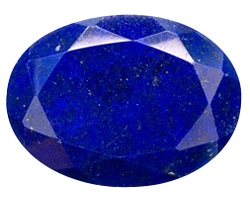
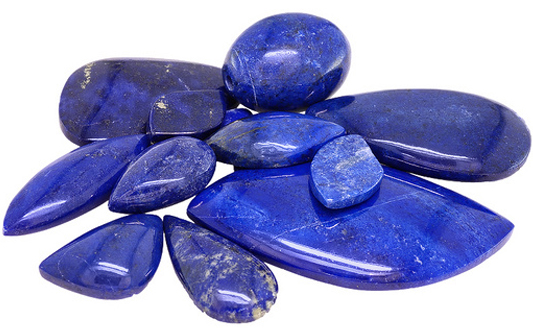
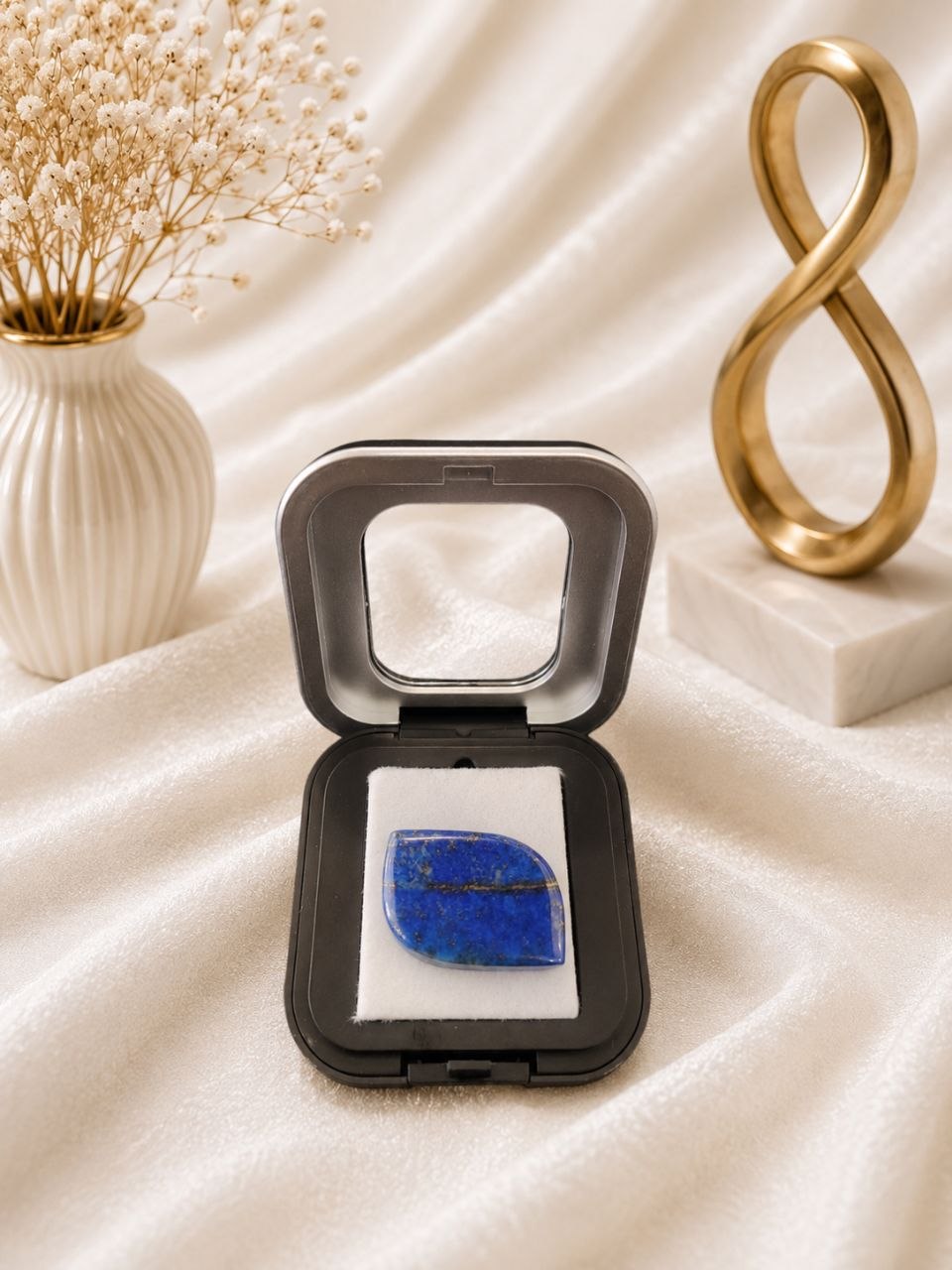
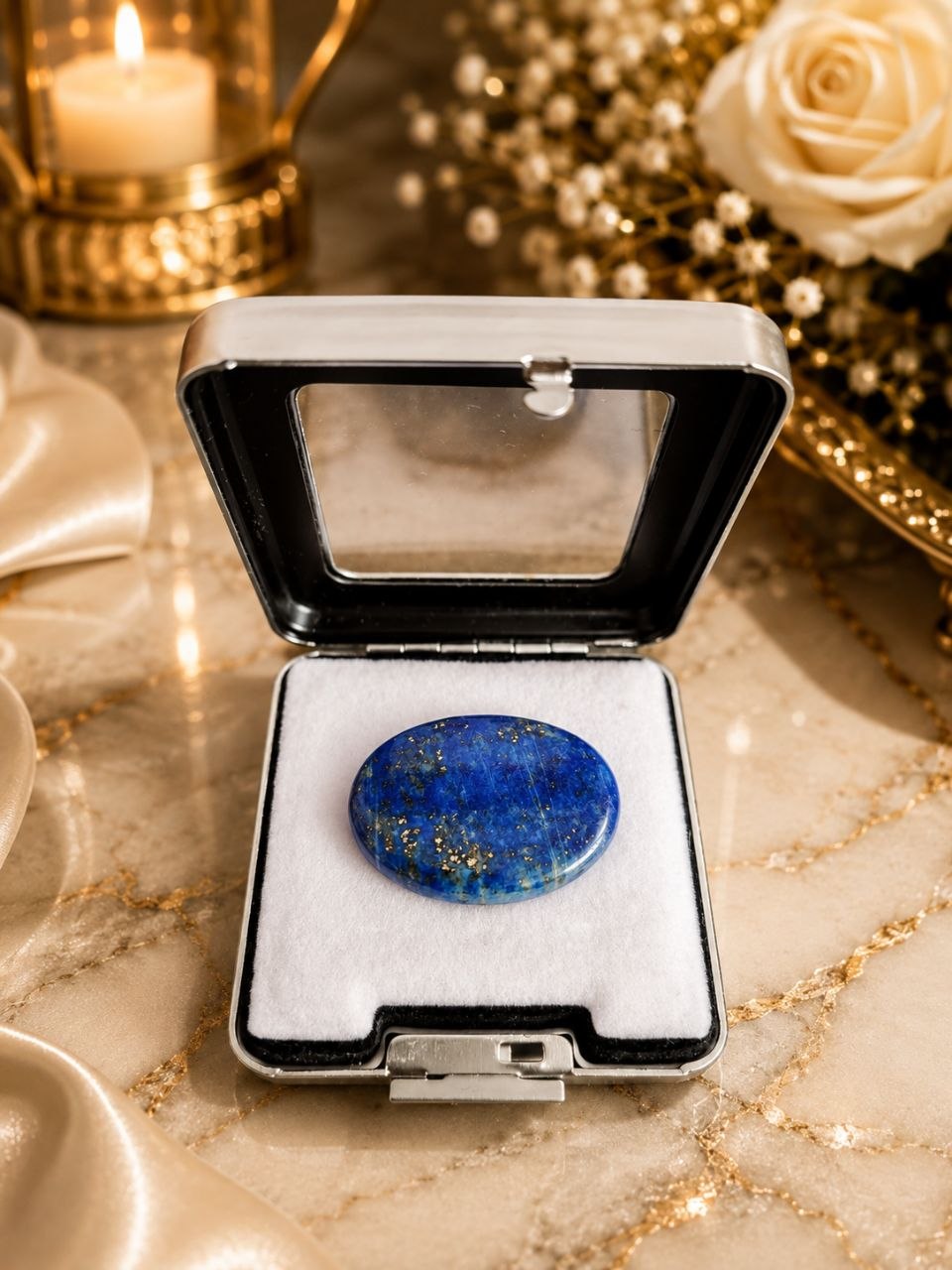
Lapis Lazuli is best known for its deep blue to vivid blue color, often containing distinctive inclusions of white Calcite and metallic-looking golden Pyrite.
The combination of blue Lazurite, white Calcite, and golden Pyrite gives each piece of Lapis Lazuli a unique natural appearance.
In some cases, white Calcite areas may be artificially dyed blue to improve the overall color and appearance of the stone. However, such dye treatments may not remain stable and can gradually fade over time.
Durability and Care
Lapis Lazuli is relatively sensitive to impact, pressure, heat, hot solutions, acids, and alkaline solutions.
For this reason, it should be handled and cleaned carefully. Avoid exposing Lapis Lazuli jewelry to harsh chemicals, high temperatures, or aggressive cleaning methods.
Similar Materials
Several blue or blue-green minerals can be mistaken for Lapis Lazuli, including:
- Sodalite
- Jasper
- Lazulite
- Azurite
- Dumortierite
Professional gemological examination can help distinguish Lapis Lazuli from similar-looking materials.
Sources
Afghanistan is one of the world’s most important and historically significant sources of Lapis Lazuli. Other notable sources include Argentina, Chile, Russia, and the United States.
Lapis Lazuli from Chile is often characterized by distinctive Calcite inclusions and patterns.
Traditional Beliefs
In traditional beliefs, Lapis Lazuli is considered a symbol of love, friendship, spiritual growth, and inner awareness.
Some traditions recommend avoiding the use of Lapis Lazuli in the bedroom. These associations are part of traditional beliefs and have not been scientifically established.
Other Names: Lapis Lazuli, Lapis, Lazurite, Blue Stone.

Reviews
There are no reviews yet.