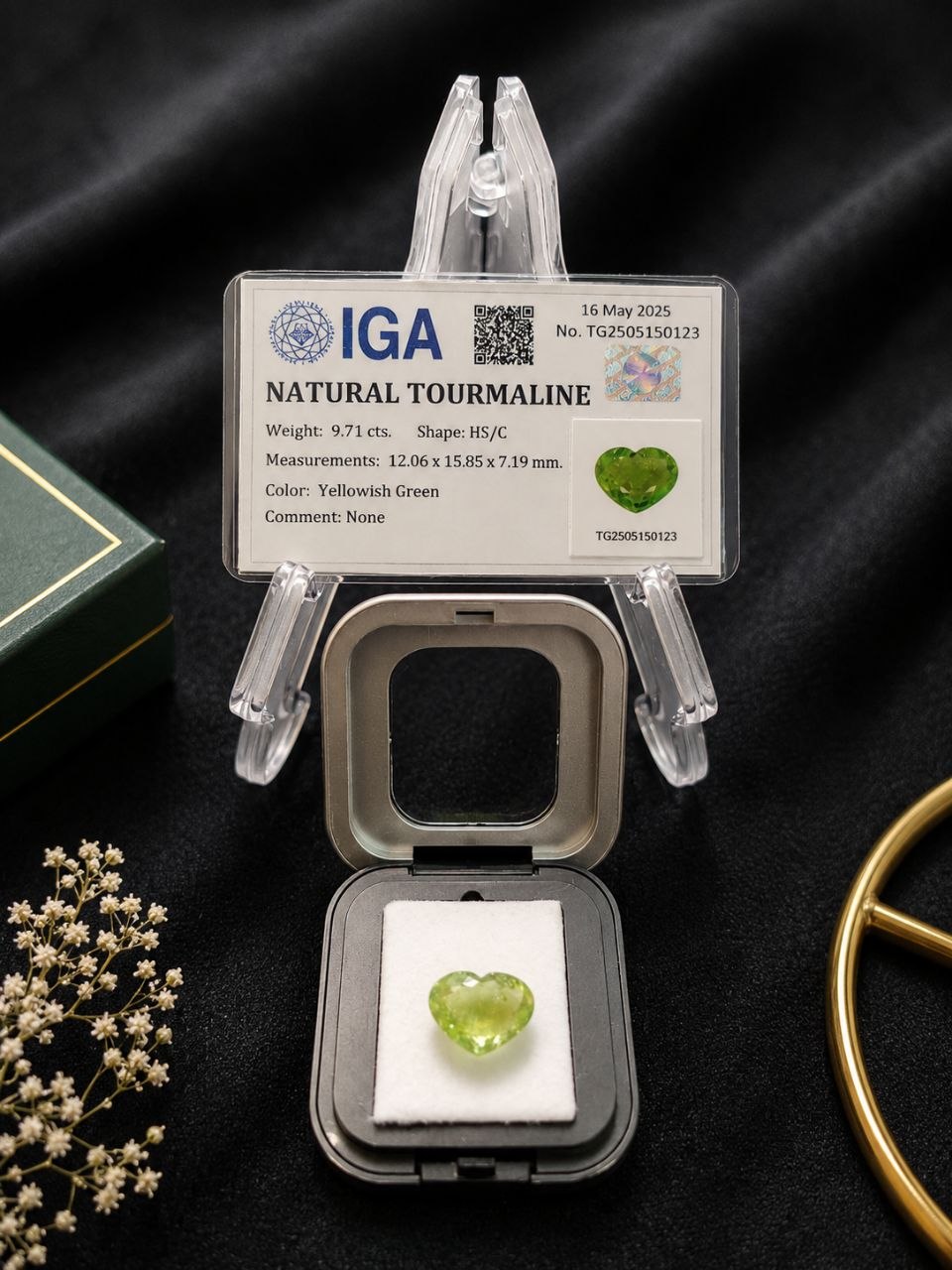
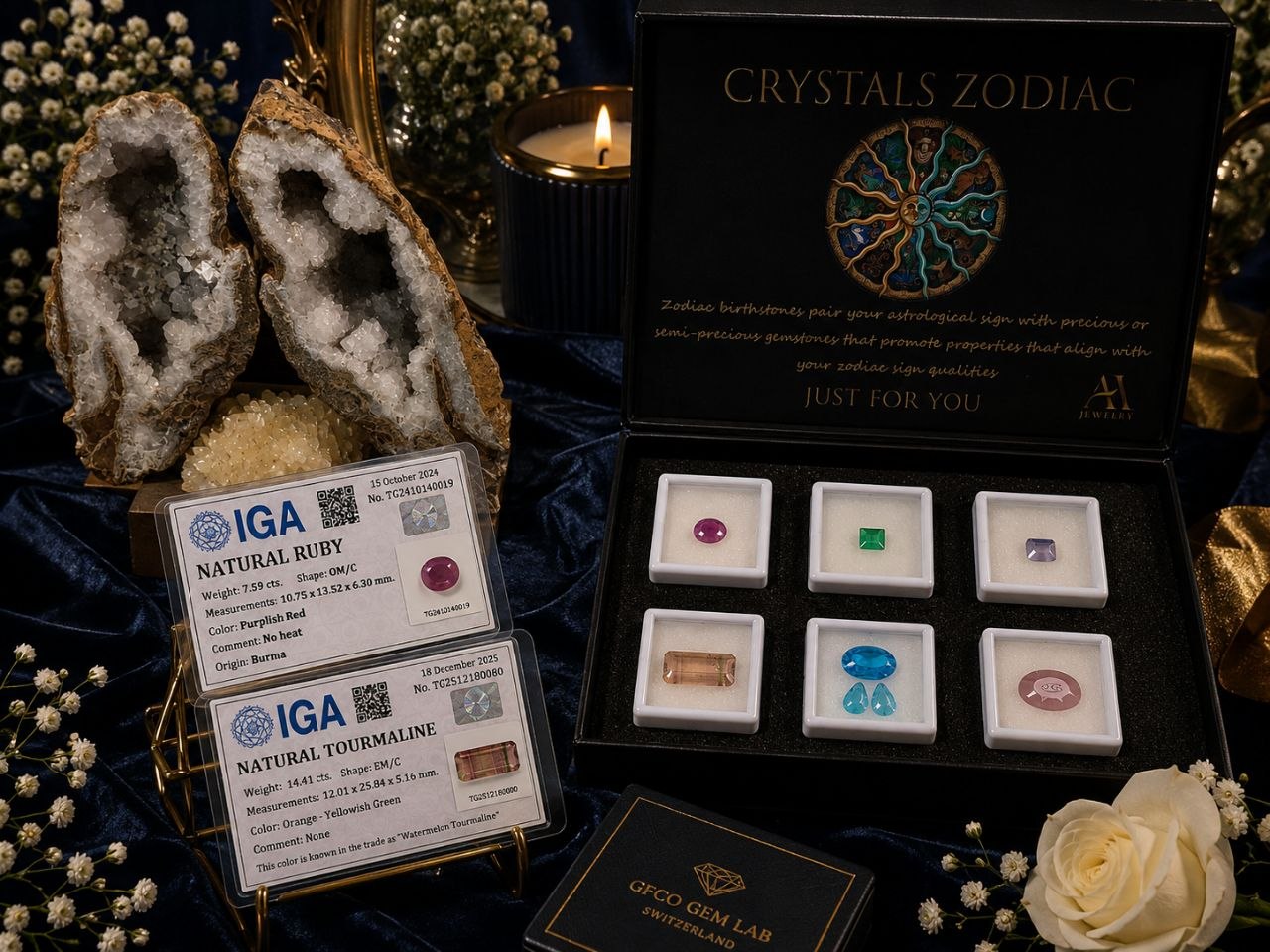
Tourmaline

Price range: $ 524 through $ 2,760

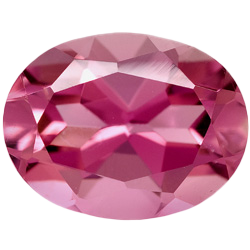
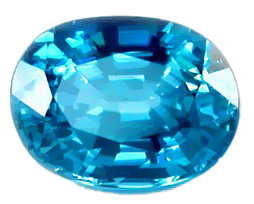
Tourmaline is a highly versatile and popular gemstone known for its
exceptional range of colors and attractive brilliance. The name Tourmaline comes from
the Sri Lankan term Turamali, referring to stones with various colors.

Tourmaline belongs to the boron silicate mineral group and commonly
forms as elongated prismatic crystals in pegmatite rocks. It occurs in a remarkable
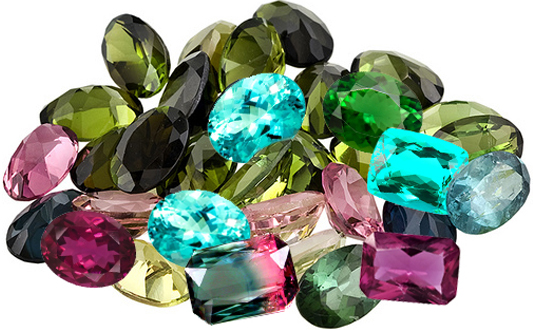
variety of colors, including green, pink, red, blue, blue-green, and multicolored forms.

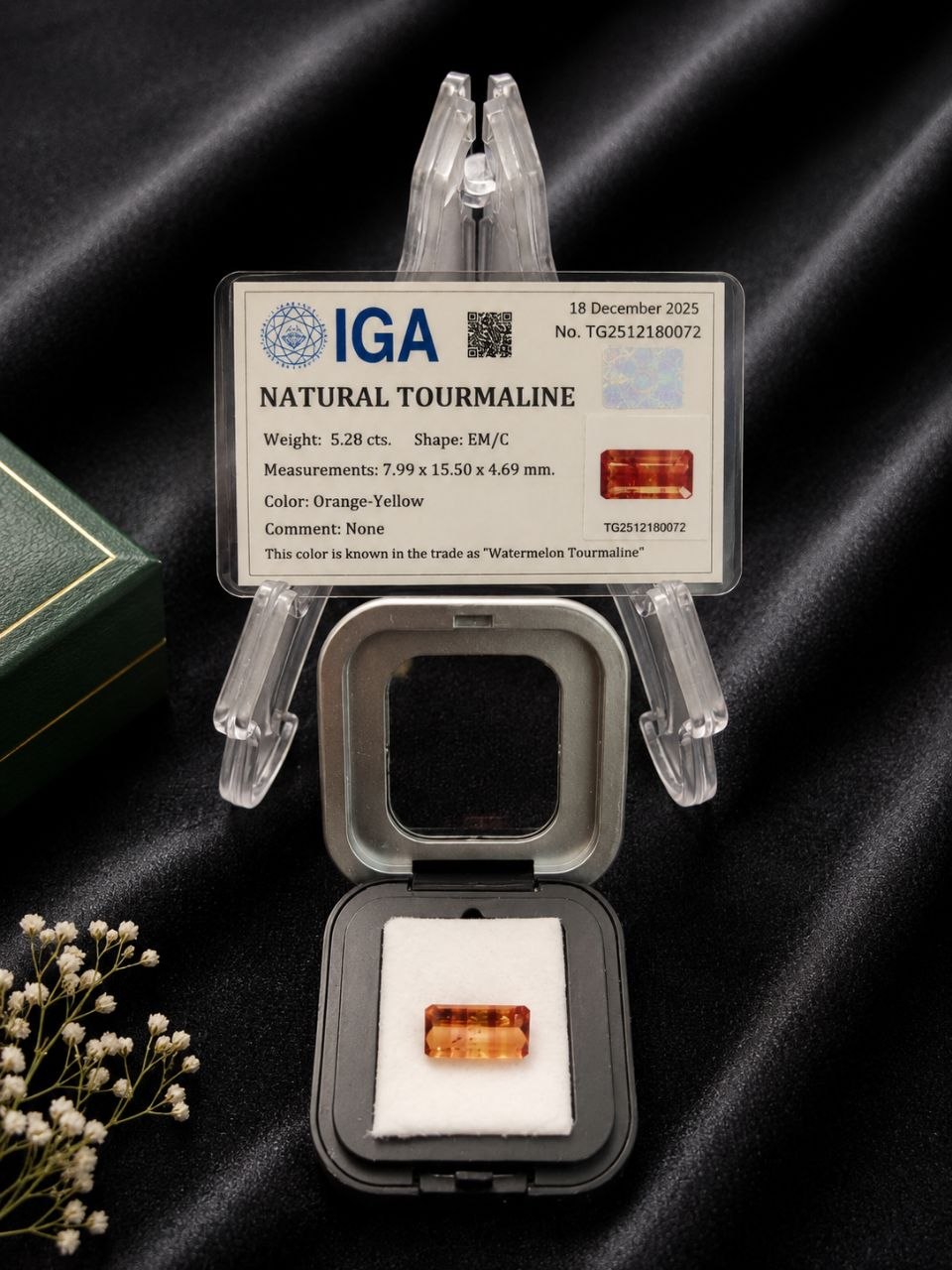
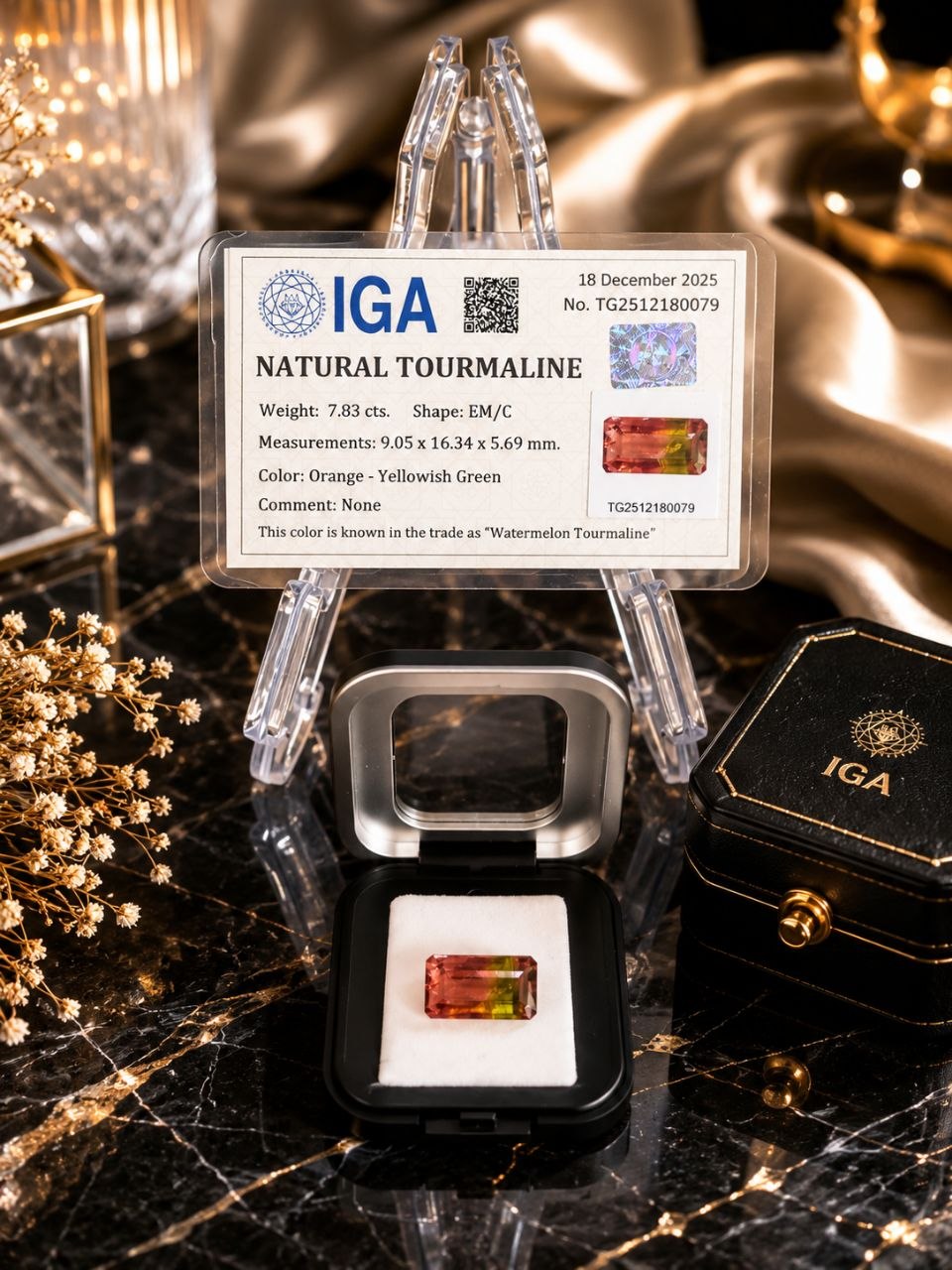
Well-known varieties include Paraiba, Rubellite, Watermelon Tourmaline,
Cat’s-Eye Tourmaline, and Chrome Tourmaline
. Among them, Paraiba Tourmaline
is particularly valuable due to its rare neon blue to green colors and limited availability.

The colors of Tourmaline can be influenced by elements such as chromium,
manganese, nickel, cobalt, and titanium
. The gemstone is also known for its
noticeable pleochroism, while some specimens contain needle-like rutile inclusions.

Some Tourmalines may undergo treatments such as heat treatment, irradiation,
or fracture filling
to improve their appearance. When purchasing valuable
specimens, treatment disclosure and gemstone authenticity are important considerations.

Major sources of Tourmaline include Brazil, Myanmar, Australia, Afghanistan,
Kenya, Madagascar, Russia, the United States, and Tanzania
. Its exceptional
color variety makes it a popular choice for fine and decorative jewelry.

Tourmaline Care

Tourmaline is best cleaned with lukewarm water, mild soap, and a soft cloth or brush.
Ultrasonic and steam cleaners are not recommended.
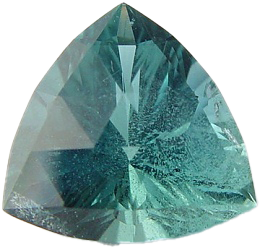
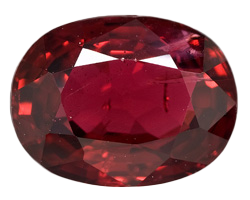
Description

Tourmaline is a highly versatile and popular gemstone known for its
exceptional range of colors and attractive brilliance. The name Tourmaline comes from
the Sri Lankan term Turamali, referring to stones with various colors.

Tourmaline belongs to the boron silicate mineral group and commonly
forms as elongated prismatic crystals in pegmatite rocks. It occurs in a remarkable
variety of colors, including green, pink, red, blue, blue-green, and multicolored forms.

Well-known varieties include Paraiba, Rubellite, Watermelon Tourmaline,
Cat’s-Eye Tourmaline, and Chrome Tourmaline
. Among them, Paraiba Tourmaline
is particularly valuable due to its rare neon blue to green colors and limited availability.

The colors of Tourmaline can be influenced by elements such as chromium,
manganese, nickel, cobalt, and titanium
. The gemstone is also known for its
noticeable pleochroism, while some specimens contain needle-like rutile inclusions.

Some Tourmalines may undergo treatments such as heat treatment, irradiation,
or fracture filling
to improve their appearance. When purchasing valuable
specimens, treatment disclosure and gemstone authenticity are important considerations.

Major sources of Tourmaline include Brazil, Myanmar, Australia, Afghanistan,
Kenya, Madagascar, Russia, the United States, and Tanzania
. Its exceptional
color variety makes it a popular choice for fine and decorative jewelry.

Tourmaline Care

Tourmaline is best cleaned with lukewarm water, mild soap, and a soft cloth or brush.
Ultrasonic and steam cleaners are not recommended.
Additional information

Weight

33.65 ct, 29.4 ct, 21.55 ct, 14.27 ct, 13.56 ct, 13.5 ct, 12.65 ct, 11.56 ct, 8.29 ct, 6.39 ct

Reviews

There are no reviews yet.

Be the first to review “Tourmaline”

Your email address will not be published. Required fields are marked *