
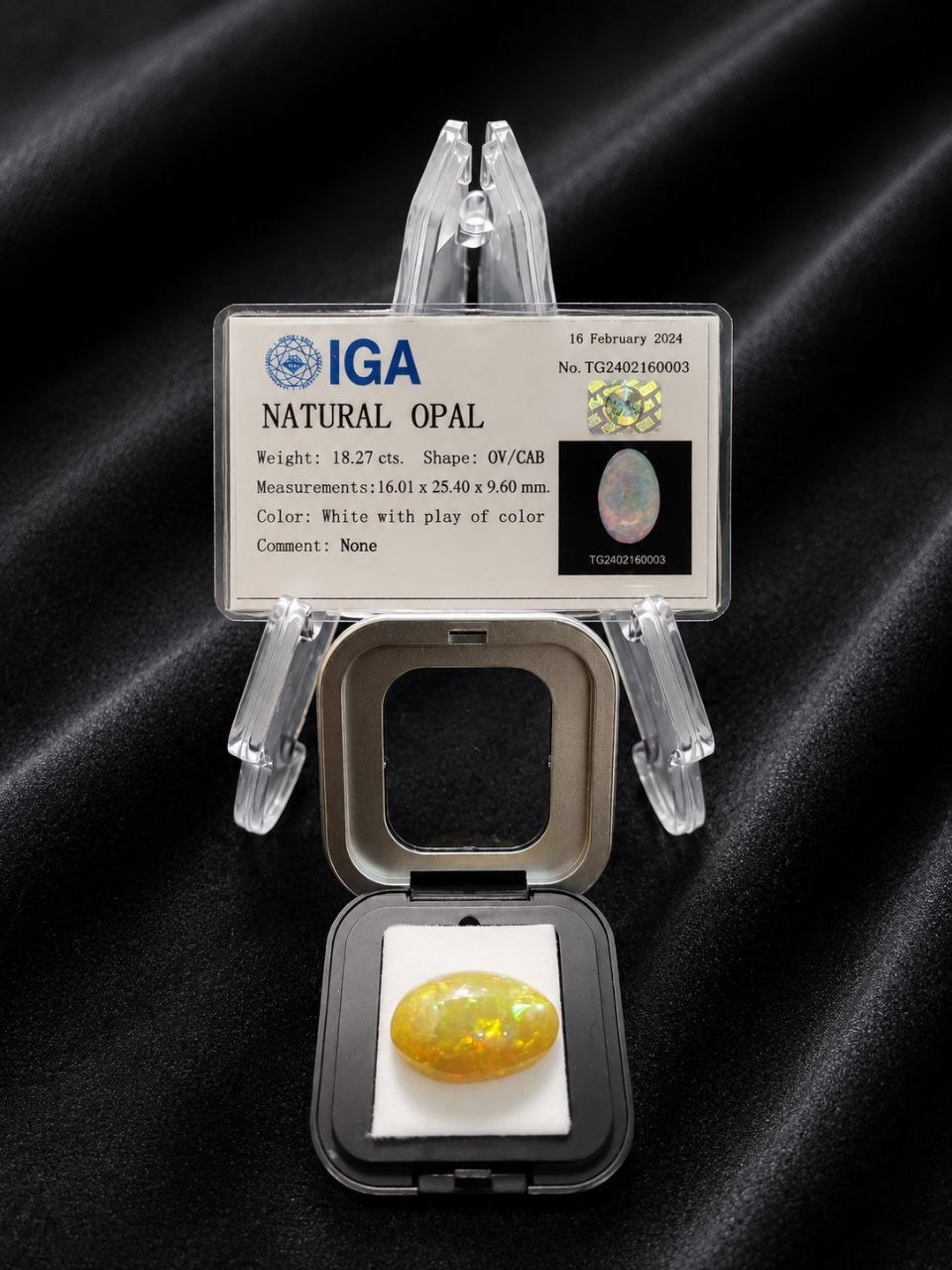
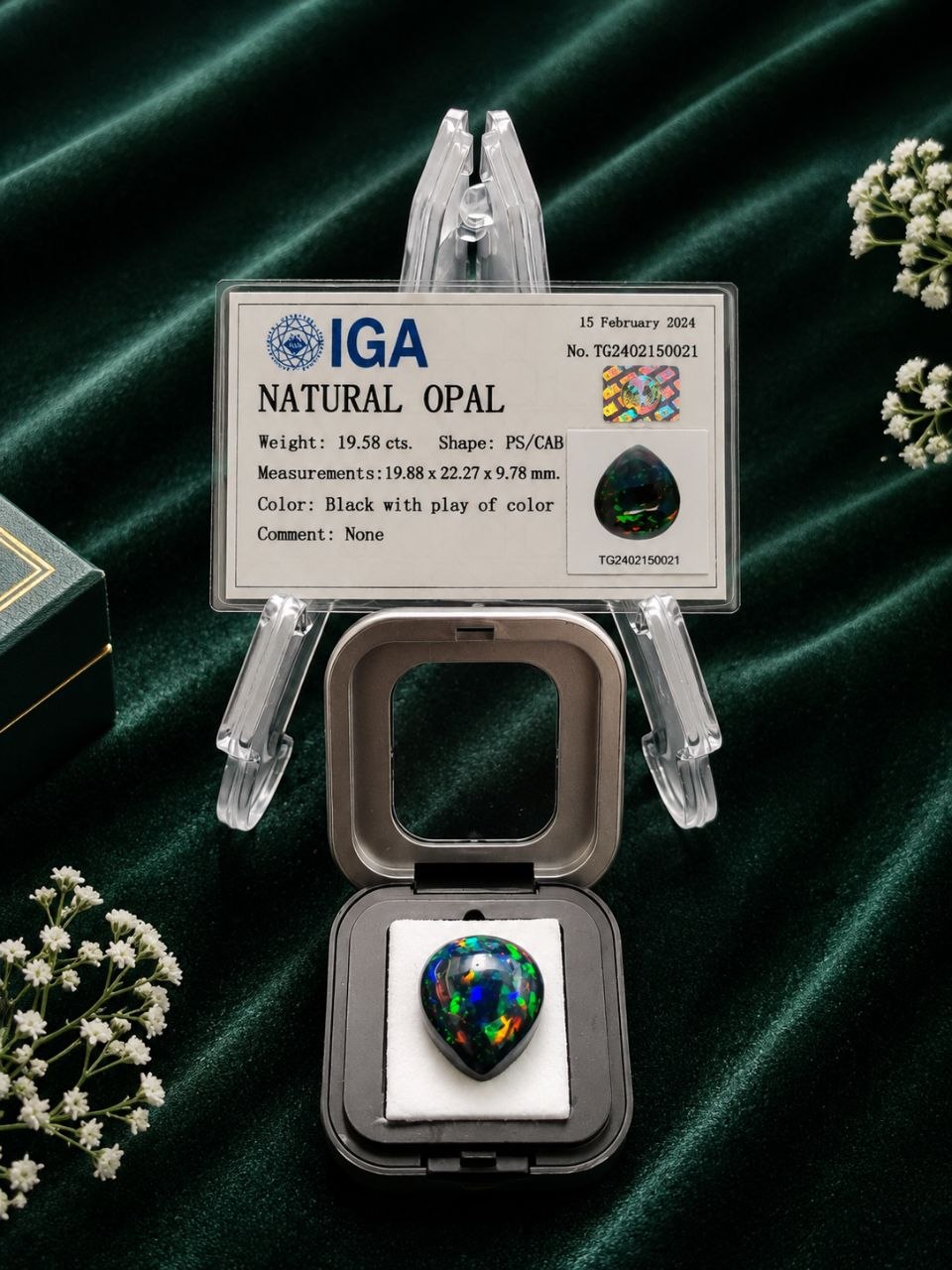
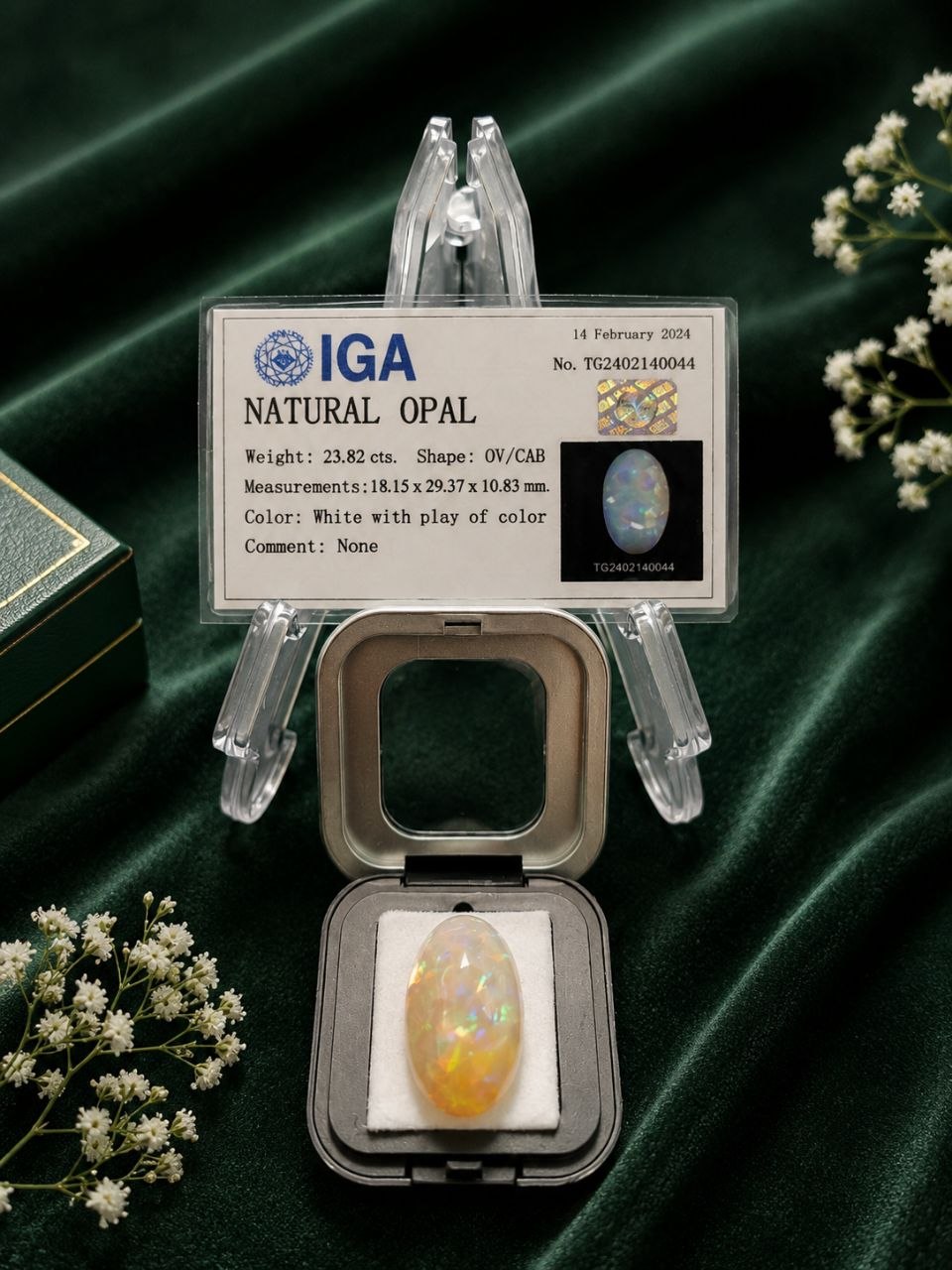
Description
Opal; A Gemstone of Exceptional Play-of-Color
Opal is one of the most distinctive and fascinating gemstones,
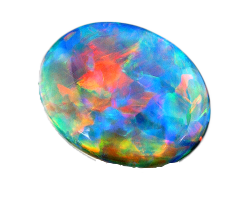
best known for its spectacular play-of-color. The name Opal is
derived from the Greek word Opalus, associated with changing colors.
Its unique optical appearance makes it a highly desirable gemstone for fine jewelry.
Composition and Structure
Opal is a hydrated form of silica and differs from most crystalline gemstones because
it does not have a regular crystal structure. It commonly forms within cavities and
fractures of sedimentary and volcanic rocks and contains varying amounts of water
within its structure.
Opal Colors and Play-of-Color
Opal occurs in a wide range of colors, including white, yellow, green, blue, orange,
red, pink, brown, olive, and black. Black Opal is particularly
valuable due to its rarity and the strong contrast between its dark body color and
bright flashes of color.
The characteristic play-of-color of precious opal creates changing
flashes of vivid colors across the surface of the gemstone. The intensity, pattern,
distribution, and range of colors are important factors in evaluating its beauty
and value.
Types of Opal
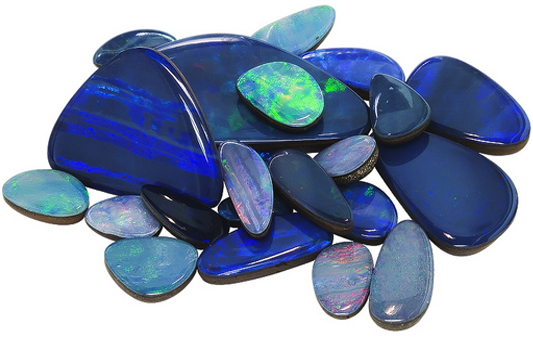
- Black Opal: Features a dark body tone and can display an impressive play-of-color.
- White Opal: Has a light body color and is one of the most common opal varieties.
- Fire Opal: Commonly occurs in yellow, orange, and red body colors.
- Precious Opal: Displays a visible play-of-color.
Opal Care and Cleaning
Opal is relatively sensitive to heat, sudden temperature changes, chemicals,
perfumes, cosmetics, and prolonged exposure to strong light or heat. To clean
opal jewelry, use lukewarm water, mild soap, and a soft cloth or brush.
Ultrasonic cleaners and steam cleaners are generally not recommended for opal.
The gemstone should also be protected from strong impacts and sudden changes in
temperature.
Major Sources of Opal
Australia is one of the world’s most important sources of opal and
is particularly famous for its high-quality varieties. Opal is also found in
Ethiopia, Mexico, Brazil, the United States, Honduras, Guatemala, and several other
regions.
Opal in Jewelry
Opal is widely used in rings, necklaces, earrings, bracelets, and fine
jewelry. Body color, play-of-color, color intensity, pattern, transparency,
and overall quality are among the important factors considered when evaluating an
opal gemstone.
Traditional Beliefs About Opal
In traditional beliefs and different cultures, opal has been associated with
insight, creativity, inspiration, and positive energy. These traditional beliefs
are not scientifically proven and should not be considered medical claims.
Other names: Precious Opal, Opalescent Opal

Reviews
There are no reviews yet.